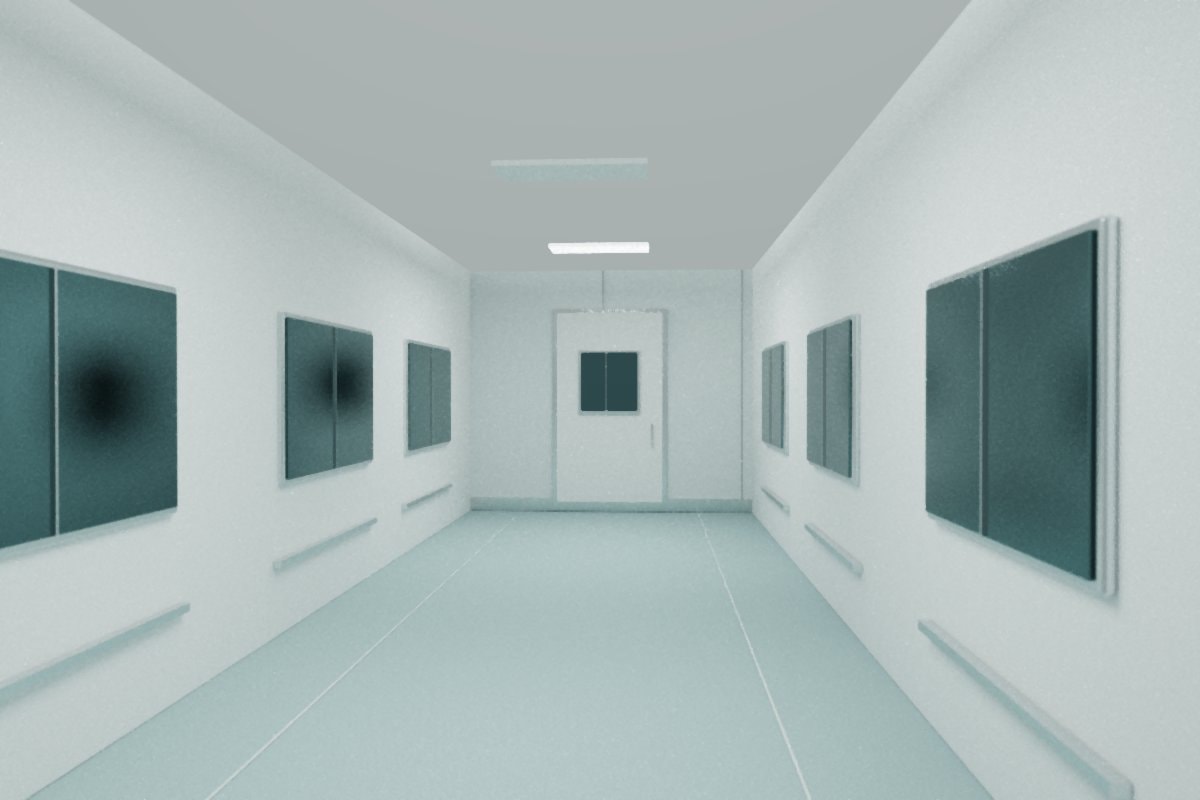
Aseptic processing depends on preventing contamination while material is handled under controlled conditions. A clean room, protective clothing and suitable equipment are connected parts of that effort. None can be understood in isolation from the actual process. A room may meet a defined particle classification while an activity inside it still introduces an avoidable contamination risk.
The FDA aseptic-processing guidance page describes guidance intended to support drug CGMP when sterile drug and biological products are manufactured using aseptic processing. The technical discussion here stays at the level of controls and evidence. The details of a facility’s activity belong in its current approved procedures and its process-specific technical framework.
Preserve controlled conditions through the activity
The aseptic-processing overview describes maintaining sterility during packaging after material and containers have been prepared. Its examples focus extensively on food manufacturing. That broad principle helps explain the need for connected controls, while its food-processing methods should not be treated as instructions for sterile drug operations.
For drug manufacturing, Part 211 microbiological contamination provisions requires appropriate written procedures to prevent microbiological contamination of products represented as sterile. The provision also includes validation of aseptic and sterilization processes. A complete approach therefore connects the written method with evidence that the relevant process can perform as intended.
A practical process review follows the activity through each handoff. Equipment preparation, material movement, personnel entry and the handling operation can all affect the conditions. The review should identify where controlled material is exposed and what protects it at that point. A reassuring description of the room does not replace that examination of the work.
Understand what a room classification describes
The cleanroom overview describes an engineered space with a low concentration of airborne particles. Cleanliness classification concerns particle concentration in relation to particle size. It provides a defined way to describe an aspect of the environment. It does not, by itself, describe every condition that matters to the process.
The same overview distinguishes different cleanroom applications. A room used for a particle-sensitive industrial activity may have a different microbial requirement from a room used for aseptic work. That distinction prevents an air-cleanliness description from becoming a general assertion of sterility. The intended activity gives the environmental controls their purpose.
A useful understanding of classification includes how the evidence was obtained and which conditions it represents. The facility’s approved framework defines the relevant conditions and criteria. Staff need to understand the relationship between the classification, the actual operation and ongoing monitoring. Memorising a classification label is less useful than recognising how the work can affect the controlled environment.
Connect airflow, surfaces and equipment behaviour
The cleanroom overview describes filtered air, airflow arrangements and materials chosen to limit particle generation. These features help maintain the environment, but the process still needs disciplined operation. Equipment, furniture and movements inside the room can influence the conditions the facility is trying to control.
The overview describes unidirectional and non-unidirectional airflow arrangements. Their relevance depends on the design and use of the area. Staff should understand the approved arrangement sufficiently to avoid informal changes that undermine its purpose. A new item placed in the area may affect more than available workspace; its surface and position may matter to the controlled activity.
Cleaning and equipment preparation also belong in the system. A clean surface can become contaminated through later handling. A prepared item needs an identifiable status and appropriate protection until it is used. The relevant procedure should explain those connections so that the control does not depend on an individual remembering an unwritten convention.
Personnel practices are process controls
People can carry particles into an area through clothing and movement. The cleanroom overview describes entry through airlocks and the use of protective clothing such as hoods, masks, gloves and coveralls. Part 211 separately describes clean clothing and protective apparel as needed to protect drug products from contamination.
Those items need to work with the activity. The approved procedure should explain the relevant entry practices, clothing requirements and conduct in the area. Training needs to connect the action with its purpose. A person who understands why a practice matters is better equipped to recognise when a departure needs attention.
General observations about cleanroom entry are not a facility-specific gowning method. Local techniques, their sequence and the way performance is assessed need to come from the approved procedures for the actual operation.
Environmental monitoring supplies evidence
The cleanroom overview describes particle counting and environmental monitoring methods including active air sampling, passive air sampling and surface sampling. These methods examine different aspects of the environment. A useful monitoring approach relates the observations to the area, activity and conditions being assessed.
A result becomes easier to interpret when its context is retained. The relevant location, activity and circumstances should remain connected to the observation. An isolated value without that information may be difficult to relate to the process. Repeated observations can help examine changes or recurring conditions, provided the sampling and interpretation remain suitable.
Monitoring is evidence about the environment rather than a substitute for preventing contamination. A reassuring finding cannot explain away a documented departure in the process. An unexpected finding needs examination of the relevant activity and conditions. The technical interpretation belongs to qualified staff working within the facility’s framework, rather than to a universal limit drawn from a general reference page.
Review events across the connected controls
An aseptic-processing concern may involve several connected parts of the system. A change in equipment, a difficult handling step, an unusual environmental observation and an entry-practice departure may each supply information. A useful investigation considers the relevant connections instead of closing each observation separately without examining the shared activity.
Records need to make those connections possible. They should show the work performed, its status and the important observations. The conclusions should distinguish what the evidence supports from what remains uncertain. Related changes may need to reach procedures, validation, training or monitoring arrangements through the company’s quality system.
The practical aim is a consistent understanding of the process and the controls that maintain it. Reference explanations help with that understanding; the approved local process determines the actual work.