Compounding pharmacies and outsourcing facilities operate within a regulatory framework that distinguishes the legal pathway from the practical work of preparing material. The distinction matters for quality staff because an exemption from one requirement does not establish an exemption from every requirement. The actual conditions of the pathway govern the assessment.
FDA’s compounding overview describes compounding as combining, mixing or altering drug ingredients to prepare an individualised formulation. The pharmaceutical-compounding overview likewise describes preparation for individual prescriptions and distinguishes that activity from advance batch preparation. This page examines the regulatory and manufacturing-quality questions. It does not determine whether a particular operation qualifies for an exemption.
Compare the conditional exemptions
FDA’s compounding-laws explanation says that section 503A establishes conditions under which compounded human drugs are exempt from premarket approval, CGMP requirements and labeling with adequate directions for use. It identifies receipt of valid patient-specific prescriptions among the conditions. The exemptions are conditional; the section number alone does not demonstrate that the conditions are met.
For section 503B, FDA’s outsourcing-facility explanation describes conditional exemptions from approval requirements and adequate-directions labeling. It explicitly states that this pathway does not exempt an outsourcing facility from CGMP. The comparison is therefore precise: the approval and labeling exemptions do not remove the manufacturing-quality obligations of the outsourcing pathway.
Understand the outsourcing-facility category
FDA describes an outsourcing facility as an operation at a single geographic location engaged in sterile drug compounding that has elected the voluntary outsourcing-facility category and complies with the requirements of section 503B. FDA also states that these facilities must comply with CGMP and are subject to risk-based inspections. The category has specific conditions; it is not merely a descriptive term for a larger compounding operation.
For quality planning, the pathway should be clear before staff assign responsibilities or assess the applicable procedures. Identify the regulatory basis, the activities performed and the evidence used to support the company’s assessment. A practical requirements map can keep approval conditions, manufacturing controls and reporting obligations distinguishable. General descriptions cannot settle whether a particular facility meets the conditions.
Why the legal distinction developed
A Wikipedia account of a fungal meningitis outbreak describes an investigation following contamination of compounded material in 2012. The Drug Quality and Security Act overview identifies that outbreak as the context for legislation that became law in 2013 and expanded FDA’s authority over compounded-drug manufacturing. The event connects contamination control with the question of regulatory oversight.
FDA’s compounding-laws explanation says that the Act added section 503B and created the voluntary outsourcing-facility category. This linked the category with CGMP obligations and FDA oversight. For quality staff, the useful historical lesson is the importance of knowing which regulatory framework governs an activity. Similar preparation tasks can sit within different legal conditions, so a familiar task description does not answer the pathway question.
Connect sterile operations with environmental control
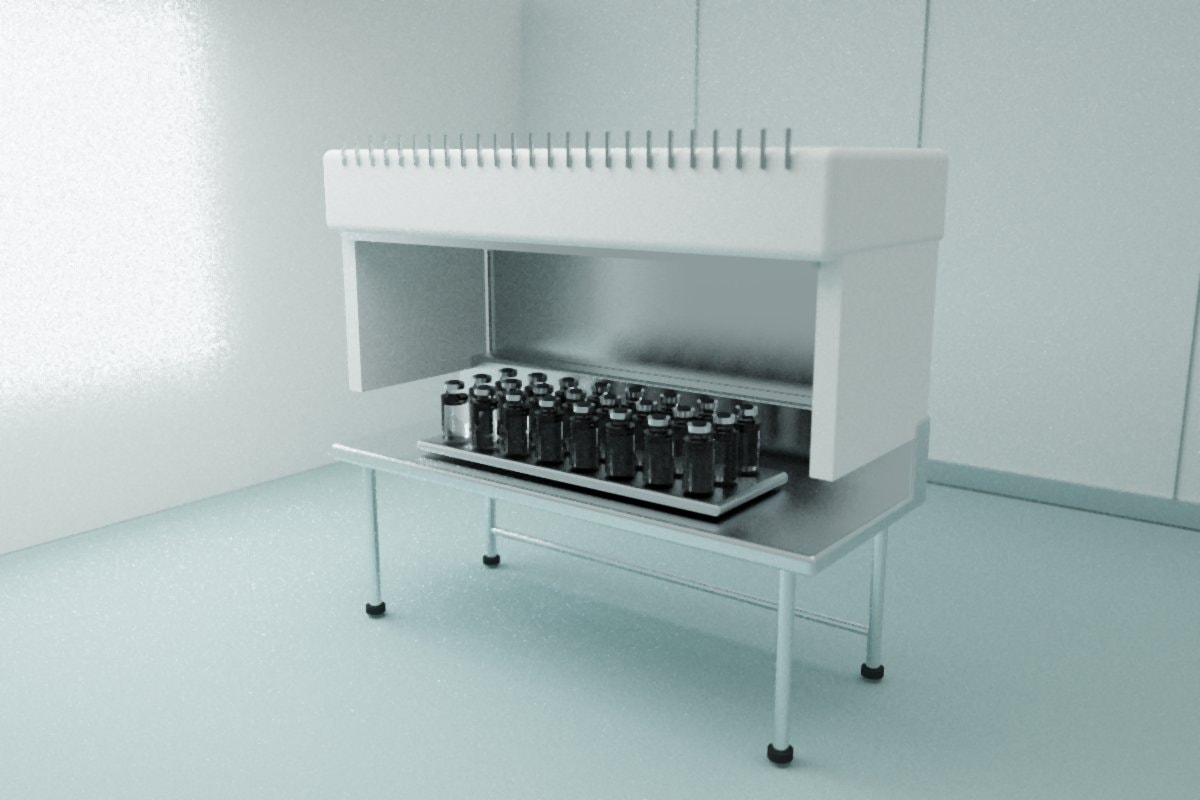
FDA’s aseptic-processing guidance page identifies its purpose as helping manufacturers meet drug CGMP requirements when using aseptic processing. Detailed requirements should be read from the applicable regulation and the complete guidance. The Part 211 regulation describes aseptic-area features including cleanable surfaces, filtered air, environmental monitoring and cleaning and disinfecting systems, as appropriate.
The cleanroom overview explains control of airborne particles through an engineered space and filtered air. A room’s classification does not replace the operating controls within it. Quality staff commonly examine how the room, equipment, personnel practices and monitoring records fit together. Part 211 also requires written procedures to prevent microbiological contamination of material represented as sterile, including validation of aseptic and sterilization processes.
Maintain control through handling and interventions
The aseptic-processing overview describes maintaining sterile conditions during packaging within a predominantly food-processing discussion. The relevant general idea is that sterility must be maintained through handling; its food thermal-processing conditions cannot establish drug-processing requirements. For drug operations, the applicable CGMP provisions and approved procedures provide the specific basis.
A practical review follows each point where material or equipment is handled. Staff need to understand the approved operation, the conditions that matter and how an unusual event is reported. Environmental information should connect with the activity occurring at the time. A monitoring result becomes harder to assess if its location or operational context is unclear. The aseptic-processing page develops these connections without supplying universal technique instructions or monitoring limits.
Keep batch records and testing connected
Part 211 requires records for each batch with information about production and control. It also addresses laboratory testing before release, sampling and testing procedures, quality review and investigation of unexplained discrepancies or specification failures. These are connected controls: the batch record explains execution, laboratory evidence supports the assessment, and quality review establishes the disposition.
A practical batch review follows the actual sequence of work without depending on memory. Connect components and equipment with the procedures, execution evidence, results and any deviations. Preserve the original information when a discrepancy appears. Investigating it may require looking beyond the immediate batch. The data-integrity page explains why the usefulness of a record depends on its connection with the activity and source data, not merely its tidy appearance.
Review the incoming-material basis
Upstream chemical synthesis can include peptide synthesis, which joins amino acids through chemical reactions, providing context for the incoming-material quality questions faced downstream.
Part 211 describes component sampling, testing and quality release before use. It also sets conditions for reliance on supplier analysis, including identity testing and establishing the reliability of supplier results. A supplier document therefore needs to fit the applicable control rather than substitute for it automatically. Quality staff can connect the received lot, approved specification, testing evidence and disposition so that downstream work uses material with a clear status.
The closing question is practical: which pathway does the operation use, and what rules follow from it? Knowing that pathway clarifies which requirements apply. The company’s assessment then needs to connect those requirements with approved procedures, qualified staff and the evidence from actual operations.